NORLANDS
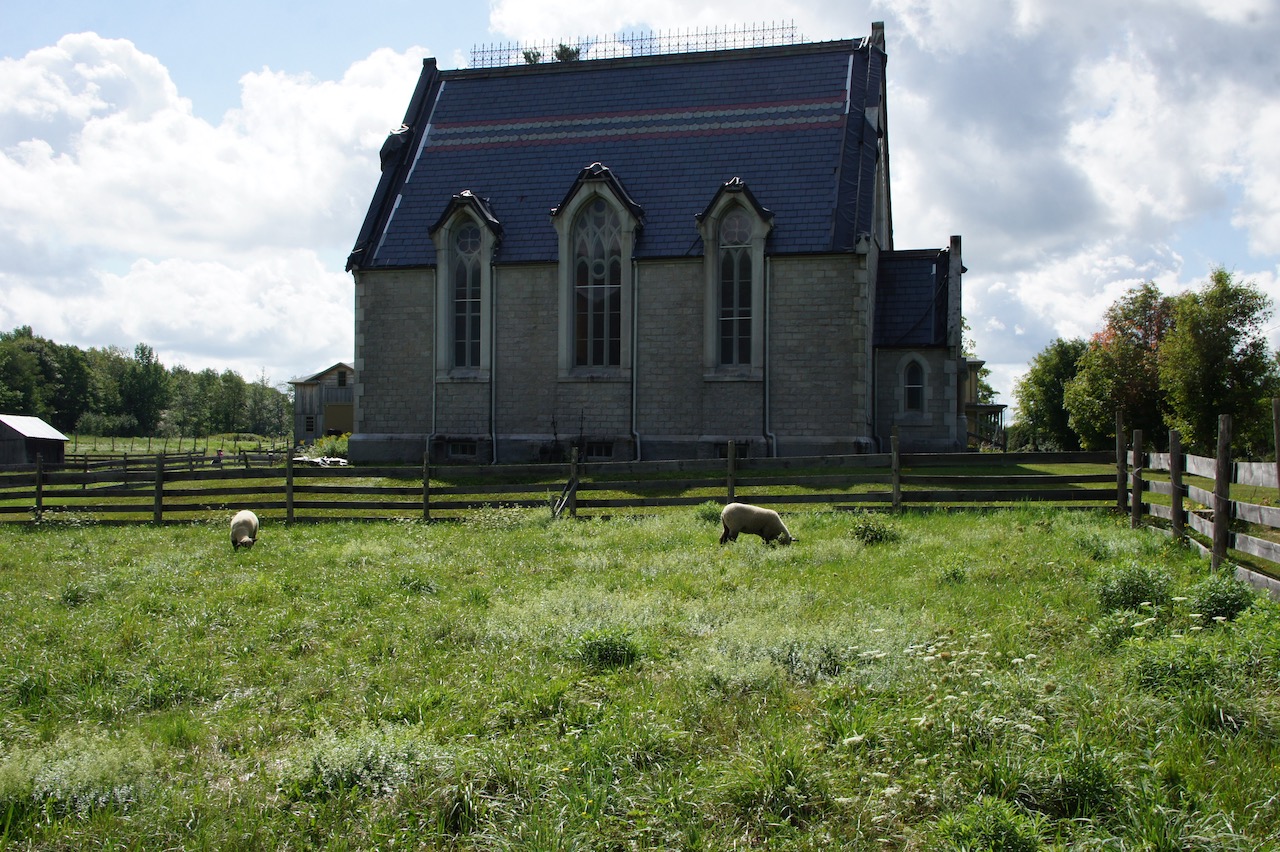
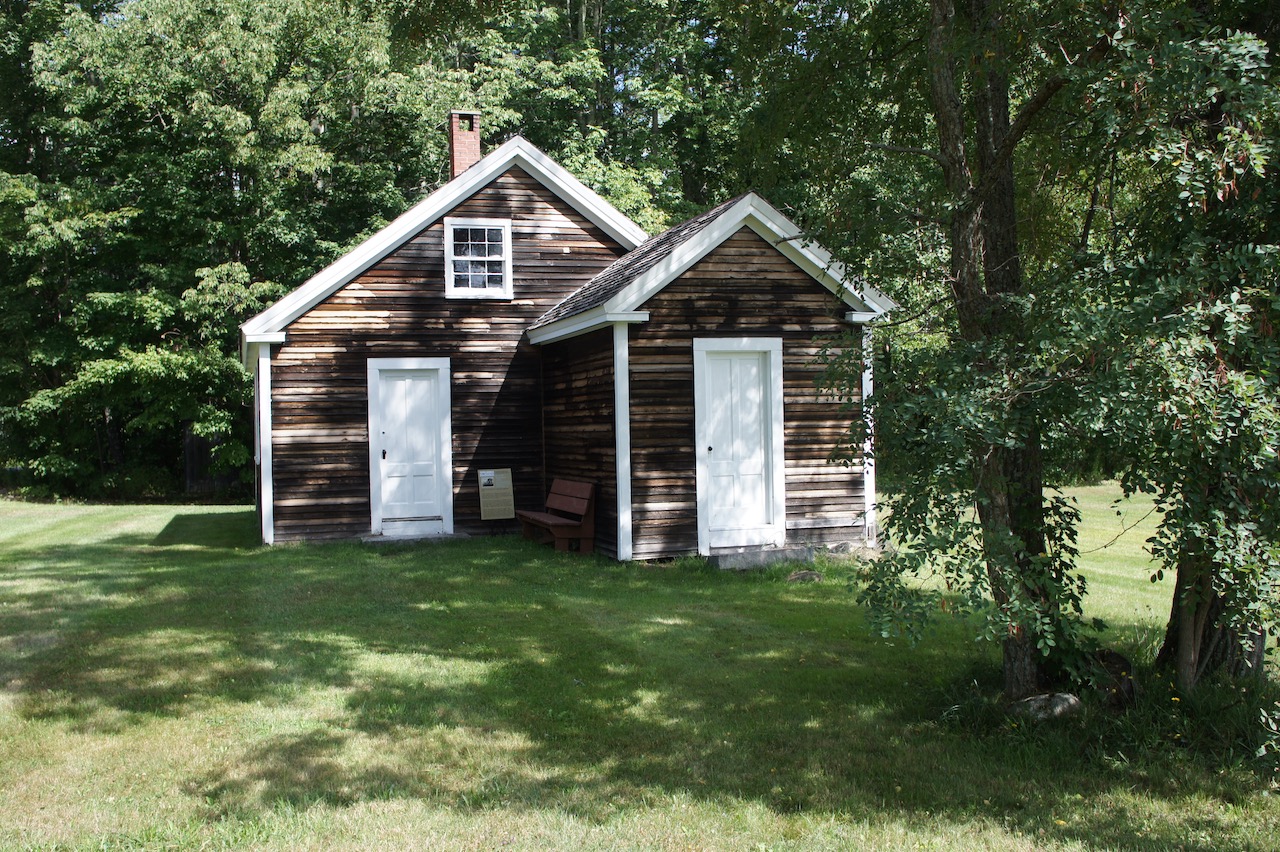
Floating around on a message received from Kathleen Beauregard, executive director of Washburn-Norlands Living History Center. In 2010, was it?—she wrote:
I read the book last night. I think it is a real gem and has many uses for the Norlands and beyond. I want every one of our instructors at the museum to read it; our historic farmer will find it invaluable as a reference for interpreting the actual accounts of farm activities at the Norlands, and it is perfectly suited as background reading for the participants in the workshop we have planned for the fall. It’s fascinating to look at the Washburn family story through different lenses. Thank you so much for their apple story.
From my booklet:
The use of orchards by livestock was considered in the early 19th century: Should sheep or pigs be given the run of an orchard? Some of the Maine farmers contended that swine would keep the ground clean of infested fruit, preventing destruction caused by insects. Israel Washburn’s orchards were of tall trees, spreading. A man would’ve been able to ride a horse beneath those mature branches. He may have pastured sheep with them. His trees, along with others in that part of the state, knew the cold year of 1816 which was chronicled in the following poem, later found by Israel Jr. on the side of a bin at Gibb’s mill.
On the 8th of June a snow storm fell
And water hard did freeze
It killed the corn, it killed the grain
And injured apple trees.
Founding pioneer Elijah Livermore’s plans for his trees would’ve included pruning of all branches below six feet. Thus he would be better able to work the ground beneath them for other crops, or he might pasture sheep there without fear of losing apples to them. His trees would produce natural fruit; that is, they would not be grafted with scions from other trees. Livermore’s orchard would be full of tall spreading trees.


 coldhighmountainwind