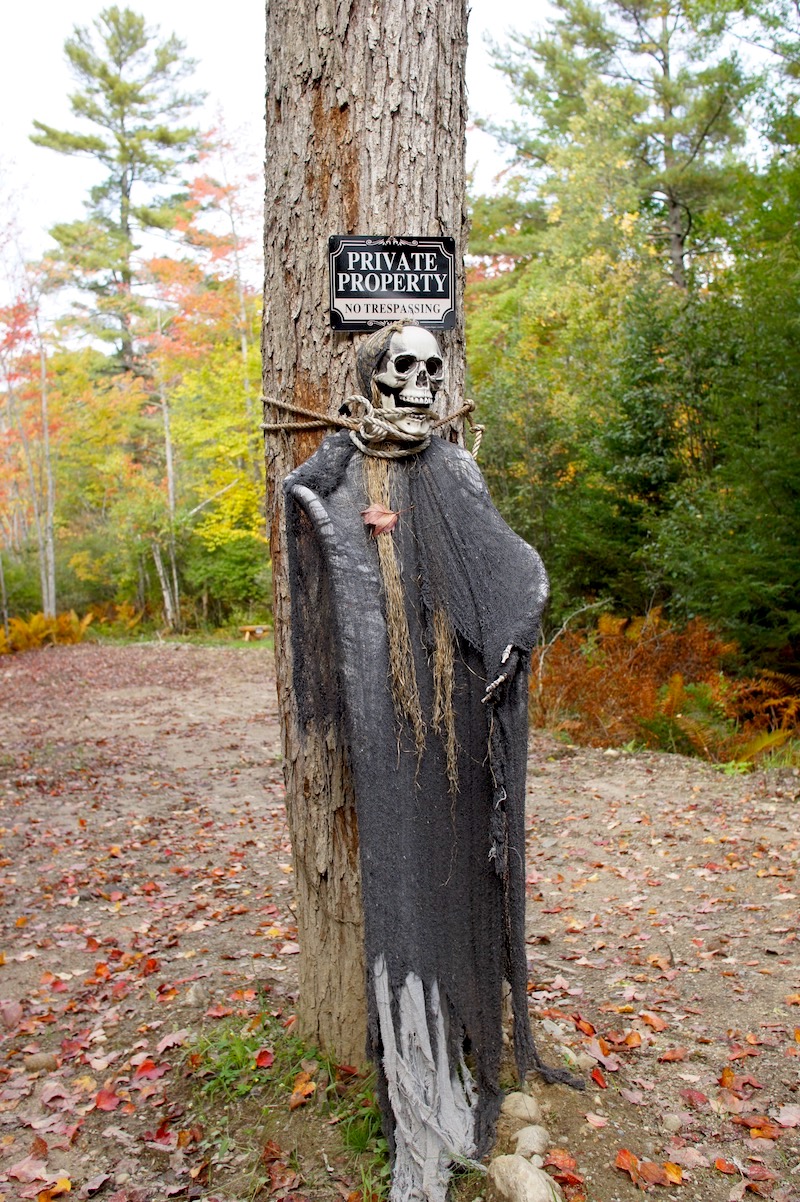
The image here the autumnal version we took the other night while riding bikes along the intermittently shoreline road.
“Home territory is well known to the author which makes the story . . . a little easier to tackle. At least something looks familiar. It’s a little like traveling to some faraway place where they turn out to speak English after all. It’s still an exotic journey, but you feel comfortable nonetheless.”
So writes Maine author Monica Wood, author of Ernie’s Ark, via e-mail.
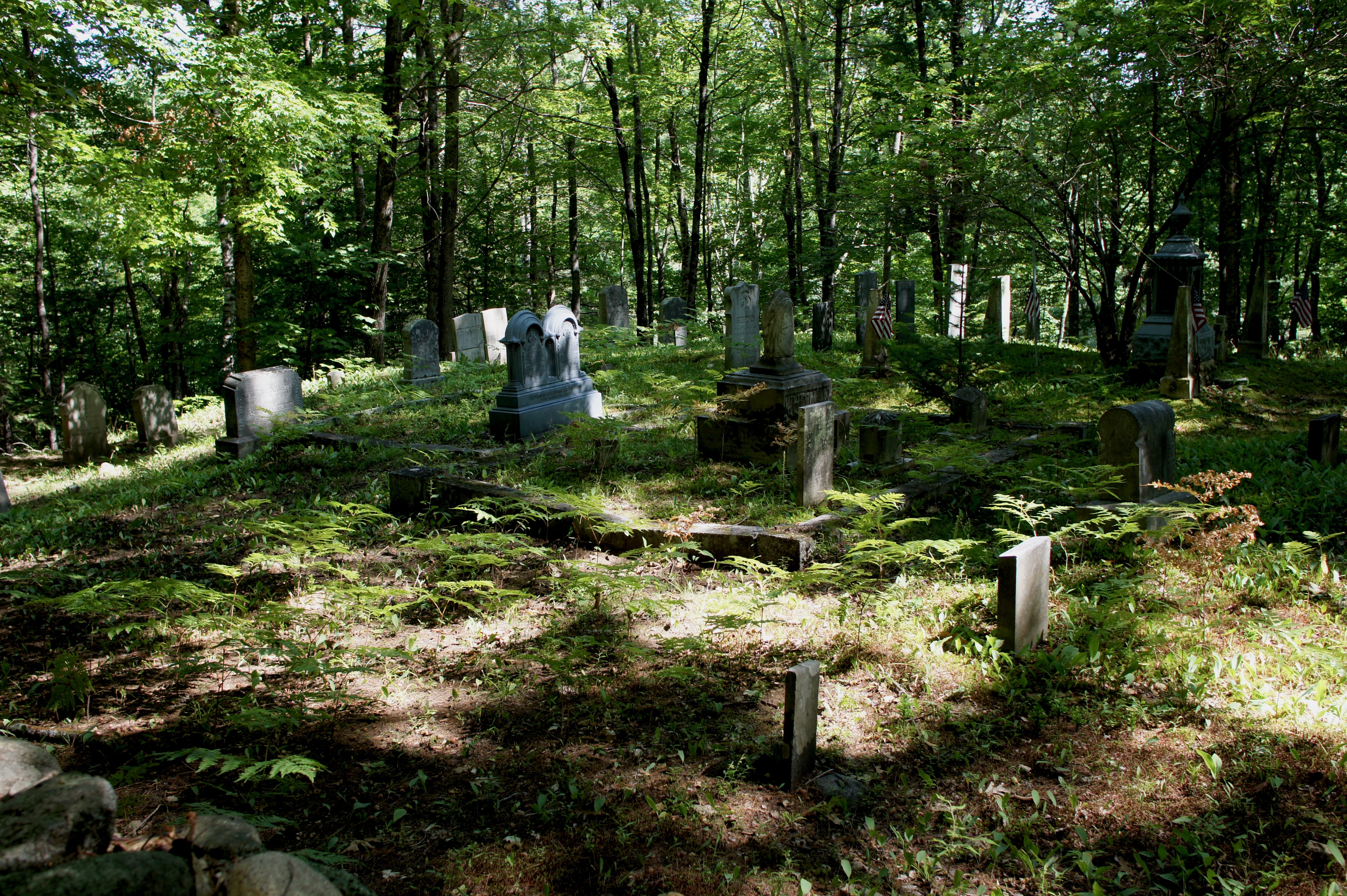
The images in this post contrast with, yet undergird, Nathaniel Hawthorne’s creative thoughts. A neighboring graveyard is hidden, old, its stones broken, some knocked over by vandals traversing a wooded lane decades ago. Yet those buried here were upright in an older sense, contributing mightily to the making of a small community.
Looking to find the quote by 20th C. missionary Amy Carmichael in which she says something like, The cross has not been taken out of the landscape. Continue reading →
Thoreau wrote in his journal, “I farm the dust of my ancestors, though a chemist’s analysis may not detect it. I go forth to redeem the meadows they have become. I compel them to take refuge in turnips.”

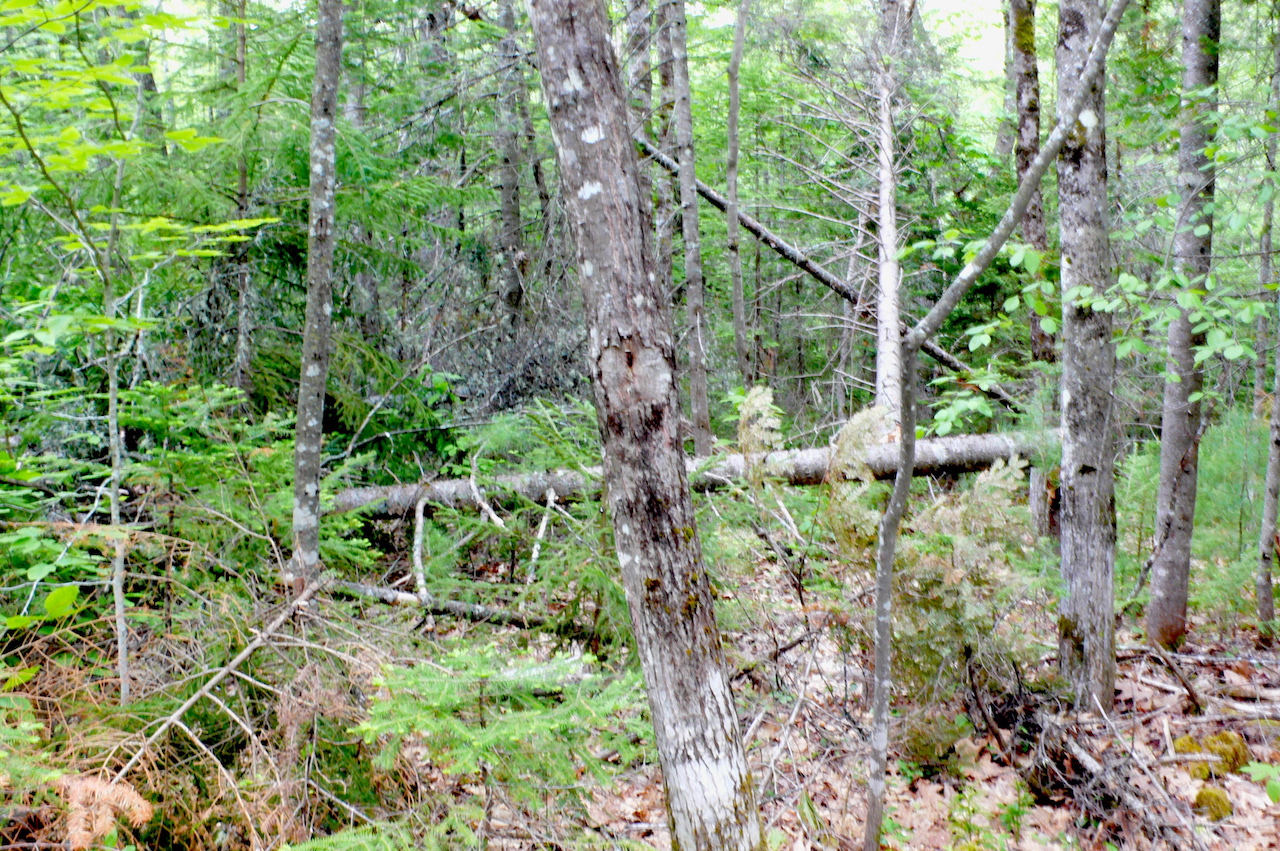
Scattered and hidden in our Maine woodlands are cemeteries with ancestors redeemed and compelled to become oaks and ferns.

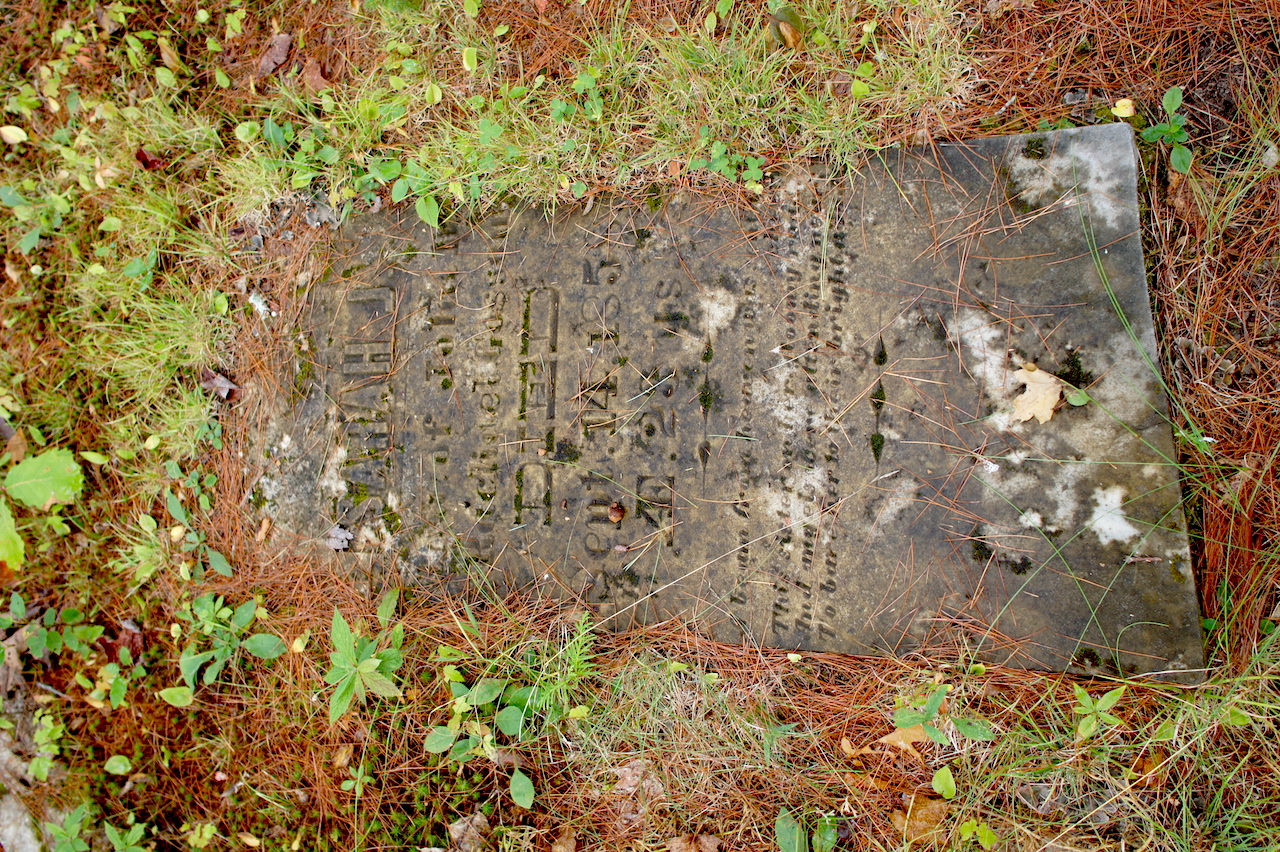
One headstone among sprouting trees and blueberry thickets reads on Bird Hill reads: "Eli H. Cushman... died... 1876. Mark the perfect man, and behold the upright; for the end of that man is peace."

This old inscription is not too weathered to read, but it would have been better preserved in slate. Slate beats granite all to pieces for grave markers. Being originally clay, and having endured the stages of compaction and metamorphism, slate weathers far better than granite. And it's evident in these old grave markers where words in slate are legible long after those in granite have crumbled away.

The image was taken today at Whitman Cemetery up an old lane into woods off The Old County Road.
Our Patch Mountain Sunday becomes quiet once more . . . but its atmosphere has changed and our sense of the other, older, time has deserted us. Vanished like vapor. We sit in the shade of this century, a bit lost.
The snarl and whine of a chainsaw drifts down. It’s not hard to imagine the enduring but prone white ash being sawn asunder; cut to blocks; its essence slipping down past us here where we sit. The life of the ash drifts down off the mountain, heading toward town.
“When John Billings lived in a log house, […] and had but a small clearing, one morning his dog began to run and bark through the neighboring woods, and soon be coming stationary, Mr. Billings knew that he had treed his game, whatever it might be. So taking down his old “queen’s arm,” he loaded it heavily with powder and buck shot, and to make it doubly sure, he dropped a skillet leg into the barrel.
I may have found the bird who haunts, but only in the text of a biography. Still I’ve yet to see it. It’s one of Cordelia Stanwood’s thrushes. She referred in her writings to its bell-like peals and wrote of its time abroad, singing in the woods. Her words do evoke a description of my mysterious singer.
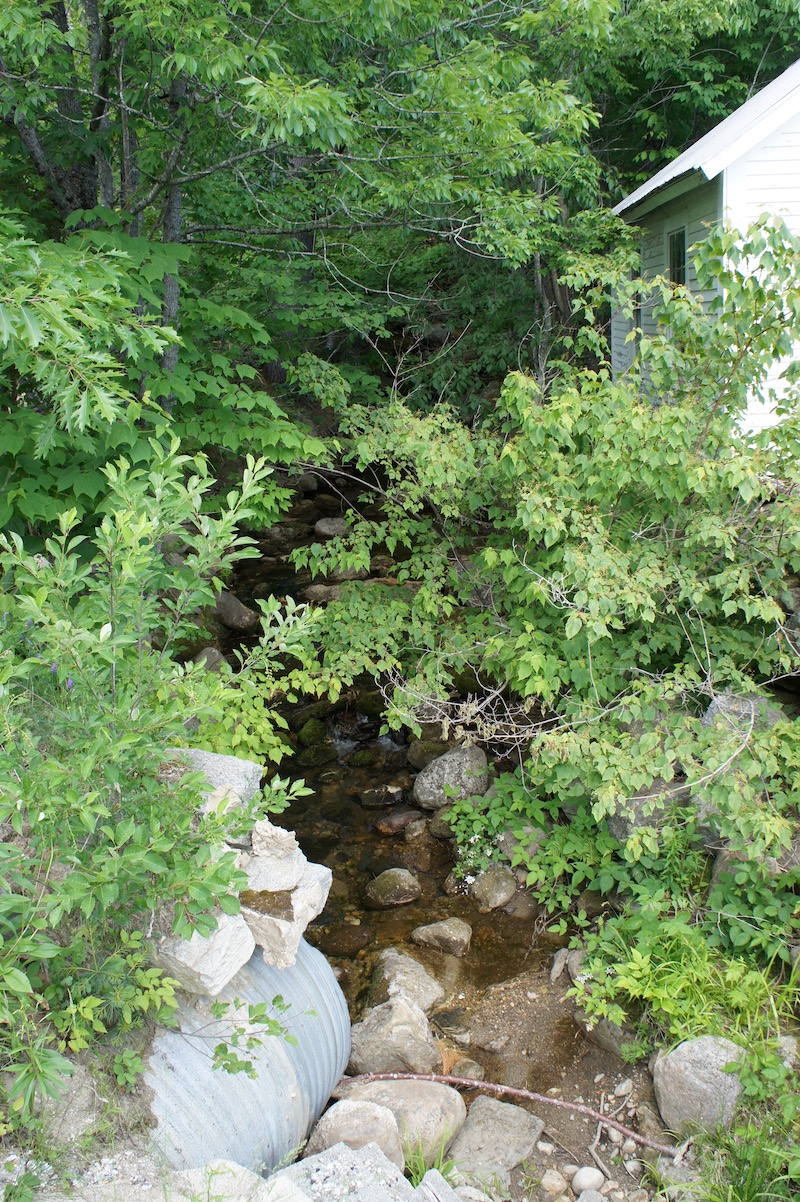
Today I was hoping to walk a woodland path along the neighborhood stream with R. The same I walked yesterday, after a few years neglect of it. It brought back the memory of one episode written in the opposite season—autumn—in our most recent Maine Metaphor. Maine In Winter. I have taken to calling this wonderful trail Crazy Lady, The Crazy Lady Trail. Here is an excerpt from the book to get you started on this memory, an episode called “My Ghost on His Periphery.”
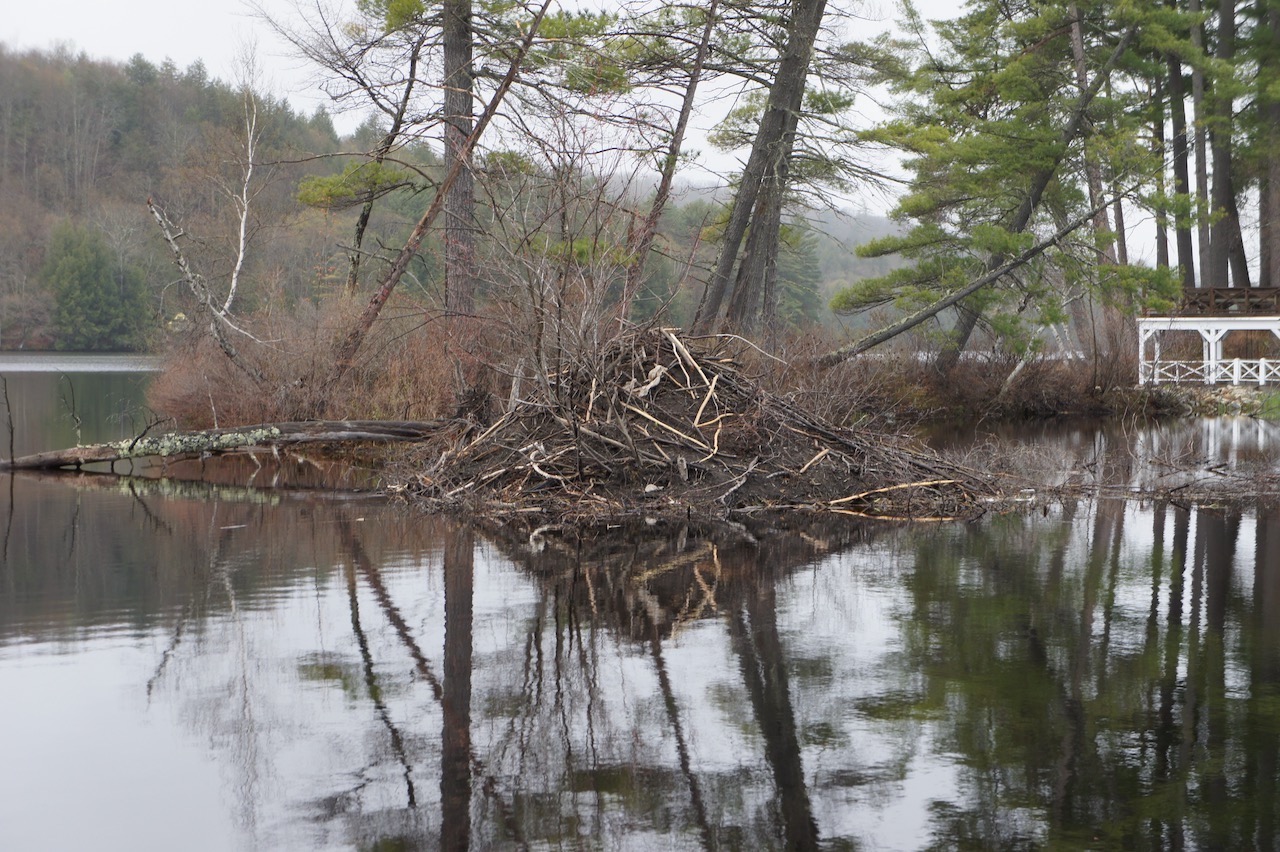
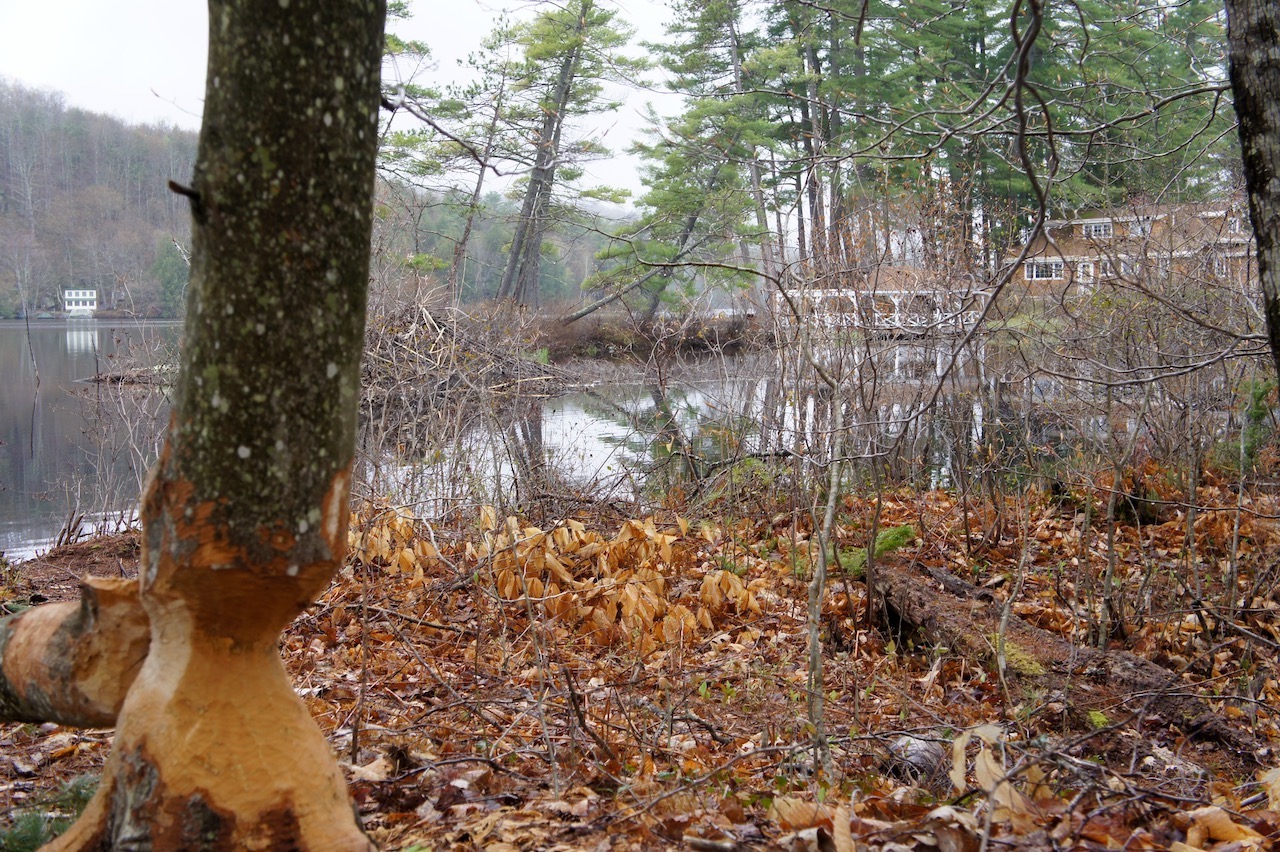
Beaver on a nearby stream were responsible for Monday’s power outage. The popple it was harvesting (about 6 in. in diameter according to the paper), toppled onto a high-voltage line. Service was affected in an area of one hundred square miles. The encroachment, back upon us, of this huge furred rodent is heartening.
beaver lodge
I have wandered through that beaver workshop as they lay hidden, submerged. Have scrutinized their little pointed stumps, but never saw a stump that size. These beavers are hemmed in by highway five hundred feet along one side, railroad line on the other. At one end is the village, with wood-turning mill. Yet there are the beavers. They work at night, because human presence changes the way to go about it. Like most Mainers they are cozy in winter, provided for by their own industry. Mighty-toothed, strong-tailed, tiny of ear and tiny-eyed. Beasty builders.
Stay with us, beavers. Slap your tails in warning and keep your beasty signals coming. This is my answering, my own peculiar signaling of loneliness and longing. Knock out our electricity. Turn off the lights, shut down the pump, thaw our food, cool the furnace. Remind me of my smallness; if you will. But stay with us. For there are rogues of fear in life; but your disturbing presence has contributed to the recovery of all things.

 coldhighmountainwind